

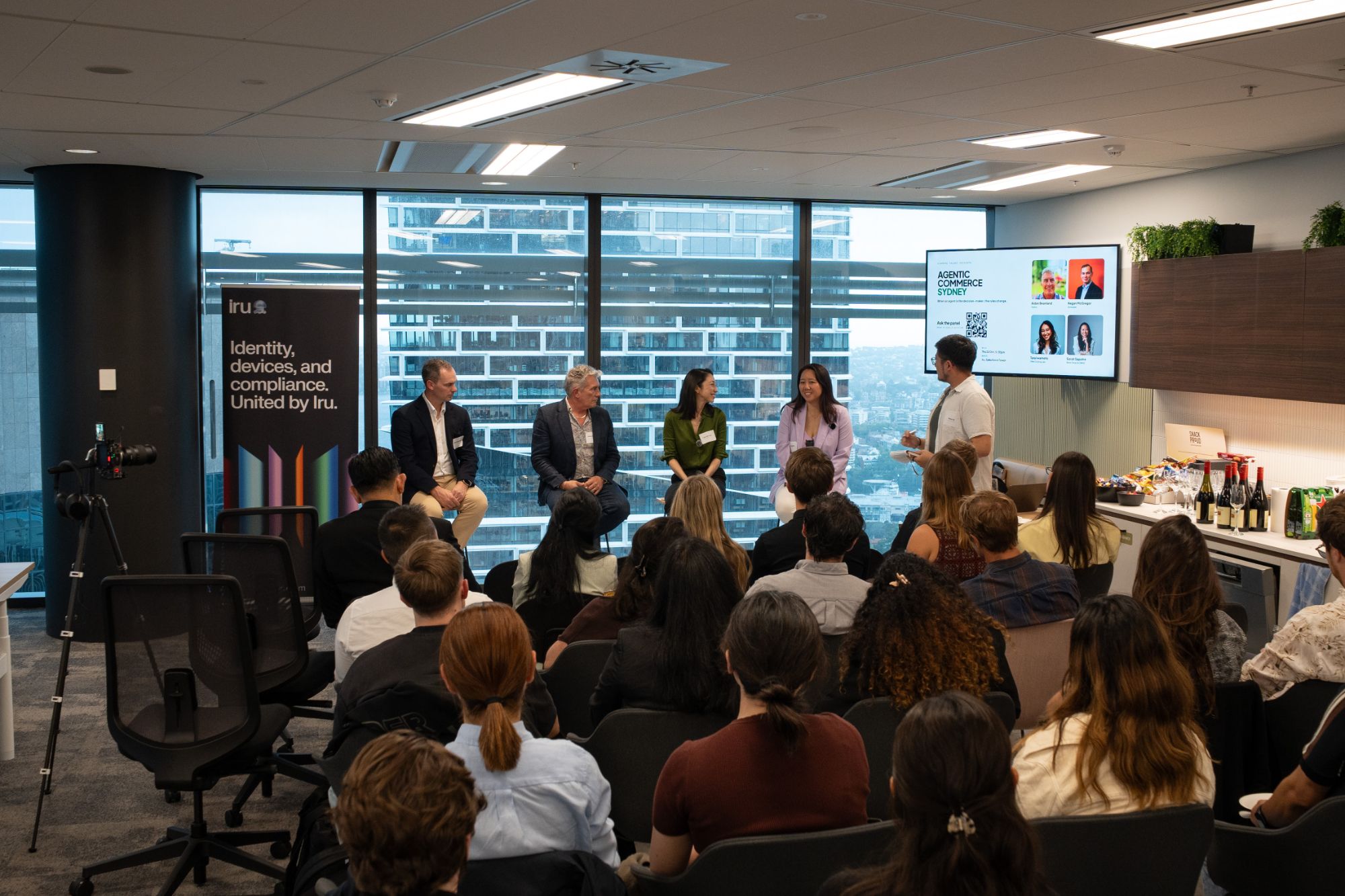
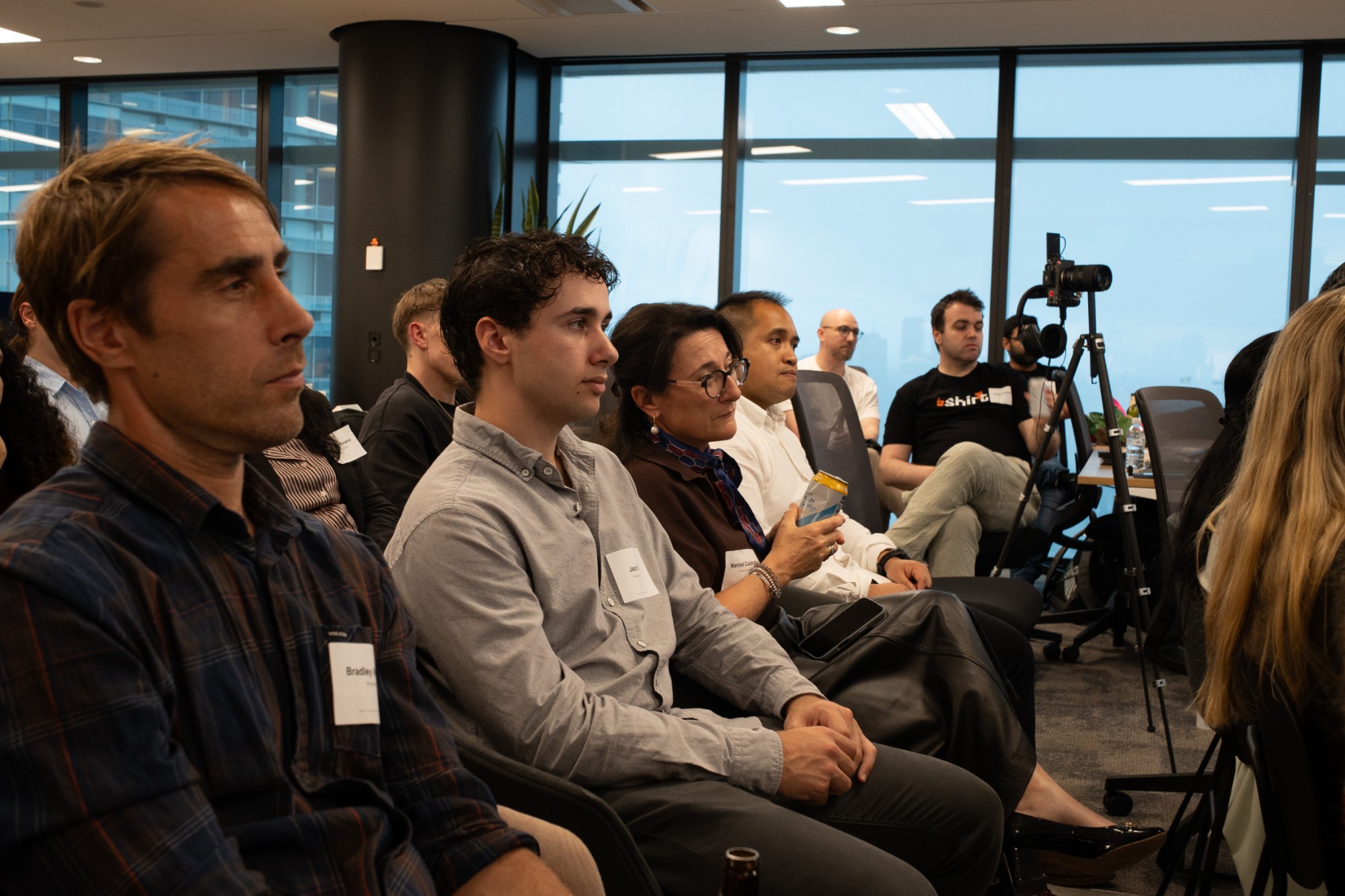
On Thursday 22 October, Kindred closed its Agentic Commerce series on Level 35 of Salesforce Tower, hosted by Iru. After Melbourne and Brisbane, Sydney brought together four people who work on this every day: Aidan Beanland (Optus), Tara Iwamoto (Vibe Coding Lab), Regan McGregor (Airtasker) and Sarah Saputra (Belle Fever).
If you missed it, this is the short version. Agentic commerce in Australia isn't a 2030 problem. AI assistants are already researching, comparing and recommending on your customers' behalf, and in some categories they're completing the booking too. Here are the five takeaways the room left with, and what each one means for your business this quarter, whether you sell products, services or bookings.
1. Your help centre is your GEO strategy
Generative Engine Optimisation (GEO) sounds like a new discipline. For most businesses, the first job is an old one: get your facts straight everywhere.
AI models learn your brand from everything that isn't your homepage. That means help centre articles, returns pages, marketplace listings, old press, review sites and forum threads. When two of those sources disagree, the model picks one, and it isn't always the right one.
What you can do now: search your brand name with your own domain excluded (yourbrand -site:yourdomain.com.au). Then fix every stale price, outdated product reference and unanswered review you find. An unanswered complaint quickly becomes the model's summary of your business. Reply with empathy, not to win the argument.
This is the cheapest GEO work there is, and it's often the most effective. Before you buy a GEO tool, make sure the web agrees with itself about you.
2. Remove the last step for the customer
Customers who arrive from an AI assistant have already done their research. They've compared options, read reviews and often decided before they reach you. That's why AI-referred traffic tends to convert well.
The risk is the handover. Every extra step between "the assistant recommended you" and "the order is placed" is a chance to lose them. The closer a customer can get to booking or buying inside the chat, the less you lose along the way.
The plumbing is MCP (Model Context Protocol), the standard way for AI agents to use a business's tools. It's usually a wrapper around APIs you already have. Shopify merchants already have one available, and Australian marketplaces are already live inside ChatGPT.
The honest caveat: not every business needs an MCP this quarter. But every business should know whether its customers are already trying to buy this way, and where they drop off.
3. Build a business brain before you add more agents
Most teams adopt AI tool by tool. One for product descriptions, one for customer service, one for pricing. Each gets a slightly different version of the brand, and the answers drift.
The fix is a business brain: one place that holds your brand voice, your processes and "how we decide", which every AI tool reads first. When every agent and every staff member works from the same source, customers get the same answer whichever channel they use.
It also protects your data. Keep customer data in the systems built for it, such as your eCommerce platform and CRM, and let agents act on patterns, not personal details. The aim isn't more automation. It's handing the admin to machines so your people get time back with customers.
4. Curiosity is the skill, common sense is the guardrail
AI tools now make it easy for anyone in the business to build something. That's the opportunity and the risk.
The first real decision usually comes at the "allow connection?" prompt, when a tool asks for access to your store, inbox or customer data. Before you click it, ask an AI assistant for the red flags, bad press and bad reviews about that tool. You'll get a far more useful answer than "is this safe?"
And one rule held across the whole series: if you don't understand what the AI did, don't ship it. Prototype freely, keep sensitive data out of experiments, and get an expert to review anything before it touches real customers.
5. Two dates for the diary
Compliance was the area nobody in the room had a dedicated team for, and two deadlines are close.
- 10 December 2026: under the Privacy and Other Legislation Amendment Act 2024, privacy policies must explain how automated decisions that use personal information and significantly affect people are made (APP 1.7 to 1.9). If you use AI for pricing, eligibility, fraud checks or personalisation, review your privacy policy now.
- 11 December 2026: OpenAI has scheduled custom GPTs to stop running on this date (it notes the dates may change). Anything your team built on a custom GPT needs migrating before then.
The practical advice from the room: if in doubt, disclose it anyway, just as you do for email and SMS marketing.
What this means for Australian businesses
Three cities, three weeks, and the same pattern in every room. Nobody has attribution fully solved. Nobody has a job title for "agent strategy". And the first moves cost almost nothing: fix your facts, look at where AI-referred customers drop off, put your knowledge in one place and update your privacy policy.
The harder question is who owns it. For some businesses it's an upskilled SEO lead or an AEO specialist, for others it's an agency, a fractional lead for 90 days, or nobody yet. That depends on how much of your traffic is already coming from AI.
If you're working through that question, get in touch. I'll tell you honestly whether it's a hire, an agency, or neither.
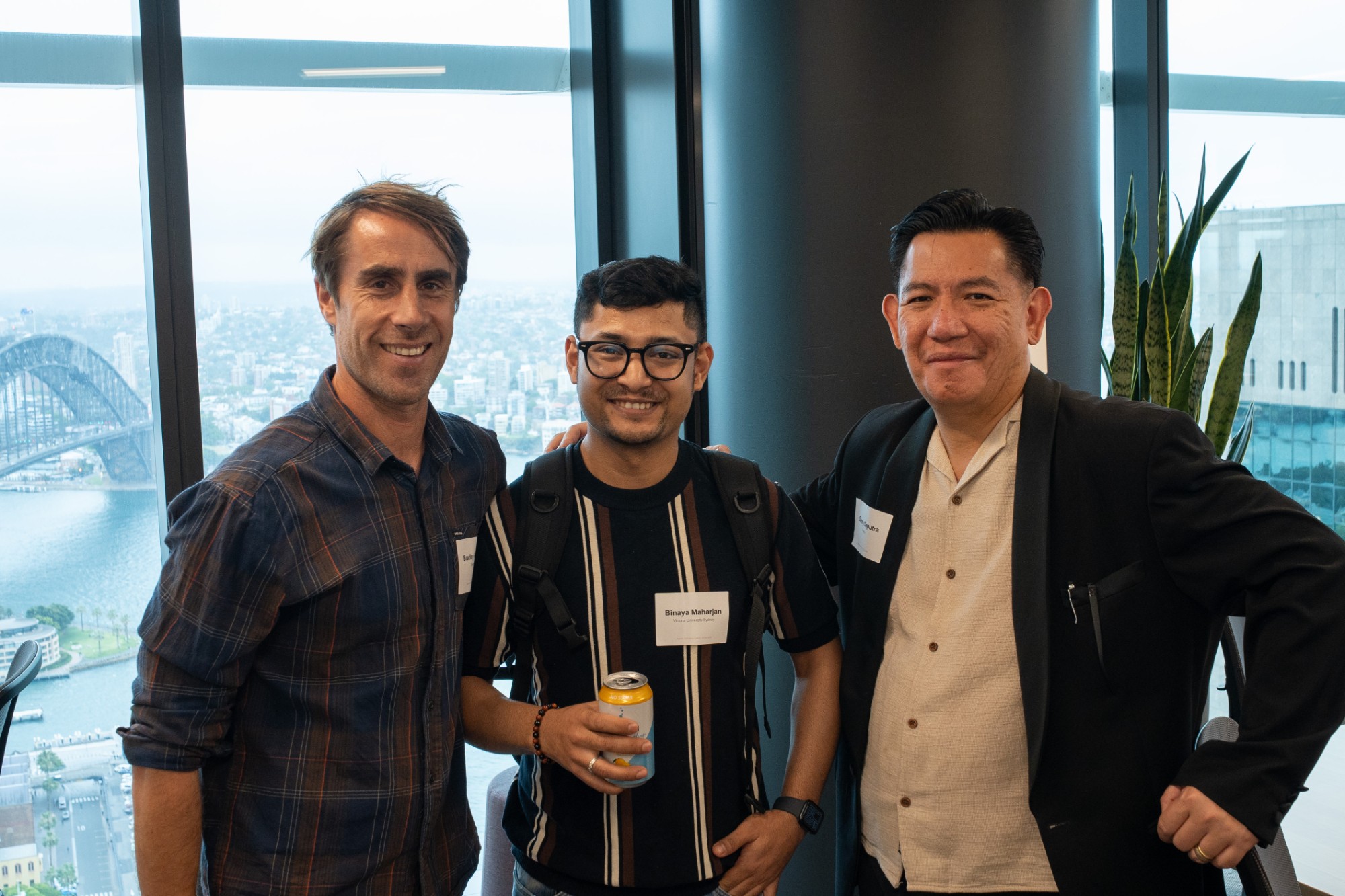
Thank you to Aidan, Tara, Regan and Sarah, and to Iru for hosting us at Salesforce Tower.